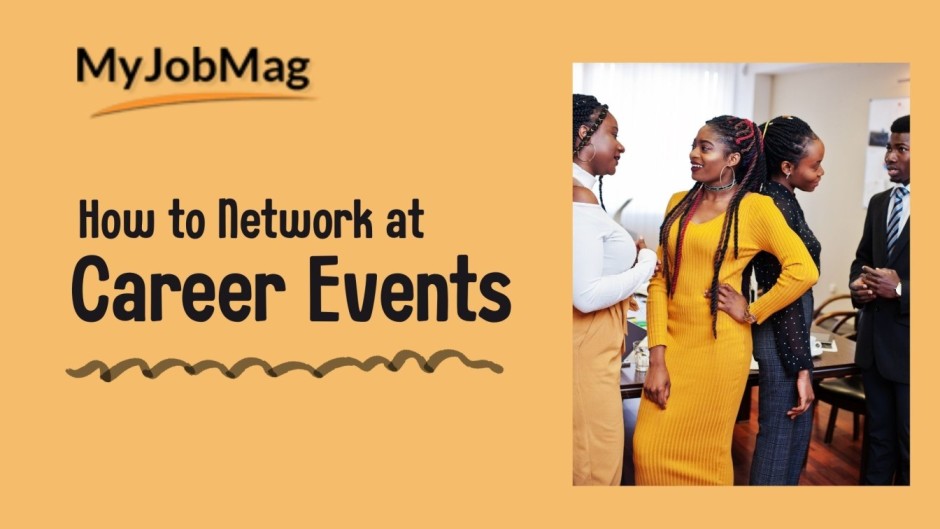
Networking events are one of the most underutilised assets in a professional’s career. In a single evening, you can meet people who have direct insight into open roles, industry trends, hiring decisions, and opportunities that never make it to job websites.
Yet most professionals walk into these rooms unprepared, exchange a few polite introductions, collect a handful of business cards and walk out with nothing that actually moves their career forward. The difference between someone who leaves an event with new referrals and one who doesn’t comes down to one thing: the quality of the conversations they are having with the right people.
Quality conversations don’t happen by accident. They happen by design. When you walk into an event with a few intentional conversation frameworks, you remove the awkwardness, build rapport faster, and guide the interaction toward something useful.
The five conversation templates below are designed to help you do exactly that. Each one gives you simple, natural language you can use to open conversations, establish credibility, and leave people with a clear reason to remember you after the event ends.
View 20 Job Search Rules Every Job Seeker Should Know
Networking at career events can open doors to new opportunities, but only if you approach it the right way. Here are 10 simple tips to help you network professionally and make meaningful connections.
Have a clear goal before you walk in
Dress professionally and appropriately for the event
Have a natural answer to "What do you do?"
Find common interests to build rapport
Listen more than you talk
Note something specific about each person you meet
Give before you ask for anything
Put your phone away
Stay in touch when you don't need anything
Follow up within 48 hours
1. Have a clear goal before you walk in
Before attending a career event, take a moment to decide what you want to achieve. Are you looking to learn about a specific industry, meet potential employers, find collaborators, or expand your professional circle? Having a clear goal helps you focus your conversations, approach the right people, and make the most of your time at the event.
2. Dress professionally and appropriately for the event
Your appearance plays an important role in the first impression you make. Dressing professionally and in line with the type of event shows respect and helps you appear confident and prepared. When you look polished and appropriate for the setting, people are more likely to take you seriously and engage in meaningful conversations.
3. Have a natural answer to “What do you do?”
One of the most common questions at networking events is “What do you do?” Be ready with a short, clear, and natural response that explains your role, skills, or interests. Avoid sounding overly rehearsed—focus on giving a simple explanation that helps others quickly understand what you do and what you’re passionate about.
4. Find common interests to build rapport
Look for shared interests or experiences during conversations. This could be a similar career path, mutual connections, industry trends, or even shared hobbies. Finding common ground helps make conversations more natural and enjoyable, making it easier to build genuine professional relationships.
View 10 Ways to Stand Out In Any Competitive Industry as a Job Seeker
5. Listen more than you talk
Good networking is largely about showing genuine interest in others. Pay attention to what people are saying, ask thoughtful follow-up questions, and avoid interrupting. When you listen carefully, you learn more, build trust, and make the other person feel valued.
6. Note something specific about each person you meet
After speaking with someone, try to remember or briefly note one specific detail about them, such as their role, company, interests, or something you discussed. This makes it easier to personalise your follow-up later and shows that you paid attention during the conversation. Small details can help turn a brief meeting into a lasting professional connection.
7. Give before you ask for anything
Networking is about building mutually beneficial relationships, not just taking. Offer help, share resources, or provide advice without expecting immediate returns. When you give first, you demonstrate generosity and reliability, which encourages others to help you in the future.
8. Put your phone away
Being fully present makes a huge difference. Constantly checking your phone or messages sends a signal that you’re distracted. Keep your device out of sight, maintain eye contact, and engage actively in conversations to show respect and professionalism. You can use the opportunity to exchange business cards. You can also design your own personal cards if you don't have a company.
9. Stay in touch when you don’t need anything
Maintaining connections is more than sending a message when you need a favour. Check in occasionally, share relevant articles, congratulate milestones, or simply say hello. Consistent, genuine engagement strengthens your network over time.
10. Follow up within 48 hours
After the event, send a brief, personalised follow-up message to each person you connected with. Mention something specific from your conversation to jog their memory and reinforce the connection. Timely follow-up shows initiative, professionalism, and interest in sustaining the relationship.
View 10 Best Free Online Courses for Upskilling and Landing Jobs in 2025
Networking at career events can feel intimidating, especially when you’re meeting people for the first time. Knowing what to say can make all the difference. To help you start conversations naturally and confidently, here are 10 ready-to-use templates you can use at any professional event.
1. Introduce yourself and reference the event
“Hi, I’m Sarah. I noticed you were in the breakout session on AI applications. Are you working in that area?”
2. Comment on a speaker or session
“Hey, I’m Kariuki. That last speaker made an interesting point about remote work. What did you think?”
3. Ask for advice as a newcomer
“Hi, I’m Aisha. I’m fairly new to events like this. Do you have any tips on who I should meet first?”
4. Ask about their role or company
“Hi, I’m James. I saw your badge says you’re with TechWave. What kind of projects are you working on there?”
5. Transition to staying connected
“It was great meeting you. I’d love to continue this conversation. Can I connect with you on LinkedIn?”
6. Reference something they said
“Hi, I’m Mariama. I really liked what you said about teamwork during the panel. How do you approach collaboration in your role?”
7. Discuss industry trends
“Hi, I’m Michael. Did you catch the part about the new tech trends in the presentation? I’m curious how it affects your work.”
8. Ask about a recent project
“Hello, I’m Nina. I’m fascinated by your role in marketing. What’s one project you’ve worked on recently that you really enjoyed?”
9. Ask about industry challenges
“Hi, I’m Kenyatta. I noticed you’re in renewable energy. What’s the biggest challenge you’re seeing in the industry right now?”
10. Close the conversation politely
“It was really nice meeting you. I’d love to keep.
Preparation is what makes networking effective. Instead of feeling like you are selling yourself, the interaction should be a natural exchange of ideas, experiences, and opportunities. Over time, these small conversations compound. The person you meet today might recommend you for a role months later, introduce you to someone in your field, or become a long-term professional contact.

Hello, we are a team of experienced recruiters and we are happy to help you recruit your next team member.
Contact Us
This is so helpful and so charismatic in every aspect especially In approaches